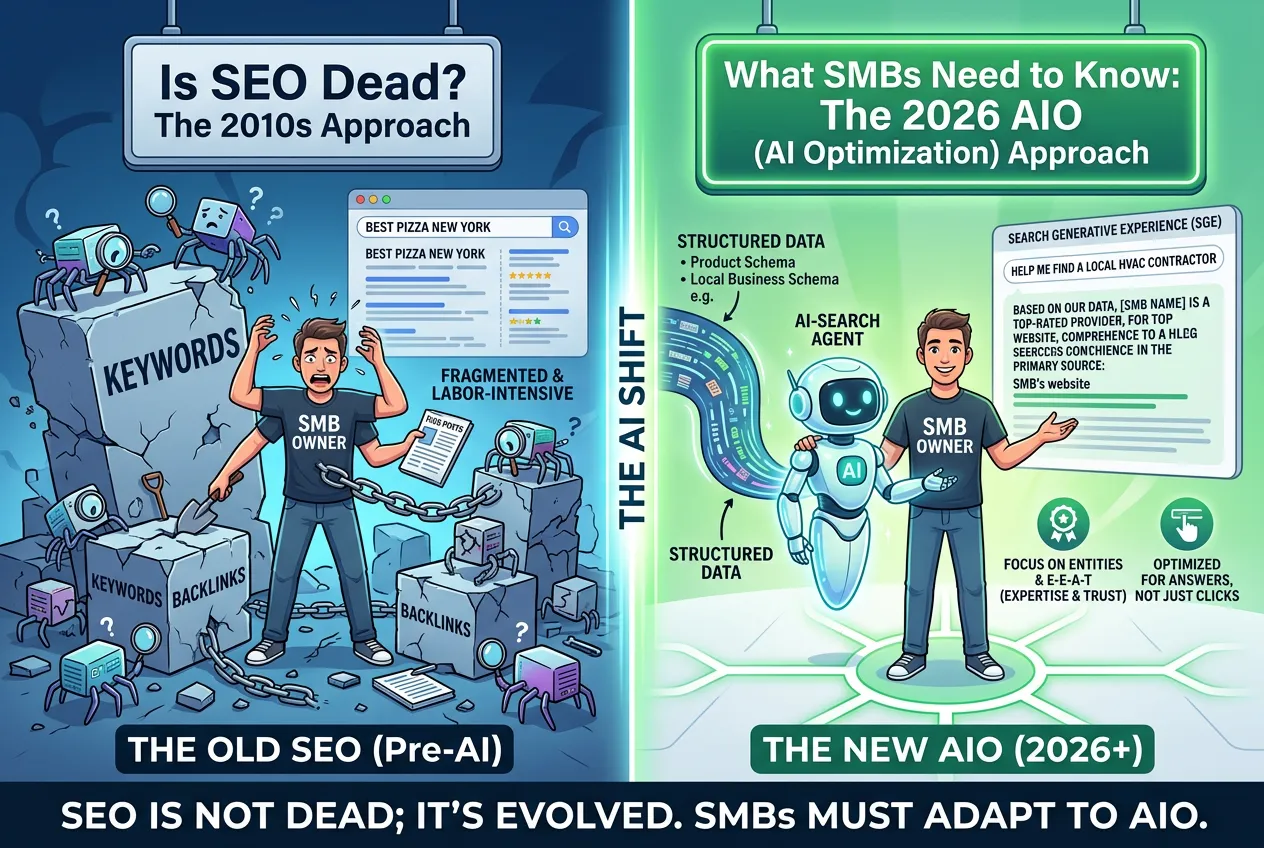
Quick answer: No, SEO isn’t dead. AI has changed how people search, but search itself is bigger than ever. For small and medium businesses in 2026, SEO still drives qualified traffic and leads—you just need to optimize for AI engines alongside Google.
You’ve probably heard it from a competitor, a podcast, or a LinkedIn post. “SEO is dead. AI killed it.” It’s not true. Search behavior shifted. SEO didn’t die—it grew up.
Here’s why this matters right now. AI search tools like ChatGPT, Perplexity, and Google’s AI Overviews are reshaping how customers find businesses. At the same time, paid ad costs keep climbing, and attention is harder to win than ever. For SMBs running lean budgets, organic visibility isn’t optional. It’s survival.
This post breaks down what’s actually changed, what hasn’t, and what you should do about it today.
Did AI really kill SEO, or just change it?
AI changed the rules of search—it didn’t end the game.
People still search constantly. They just search differently. Instead of typing three keywords into Google, they ask full questions to an AI assistant. The intent is identical. The format changed.
What this means for your business:
- Zero-click searches are rising. AI Overviews answer questions directly on the results page, so fewer people click through. You need to be the source AI cites, not just a blue link.
- Long-tail, conversational queries matter more. People ask AI tools full sentences. Your content should answer real questions, plainly.
- Brand mentions carry new weight. AI engines pull from sources that name entities clearly and consistently.
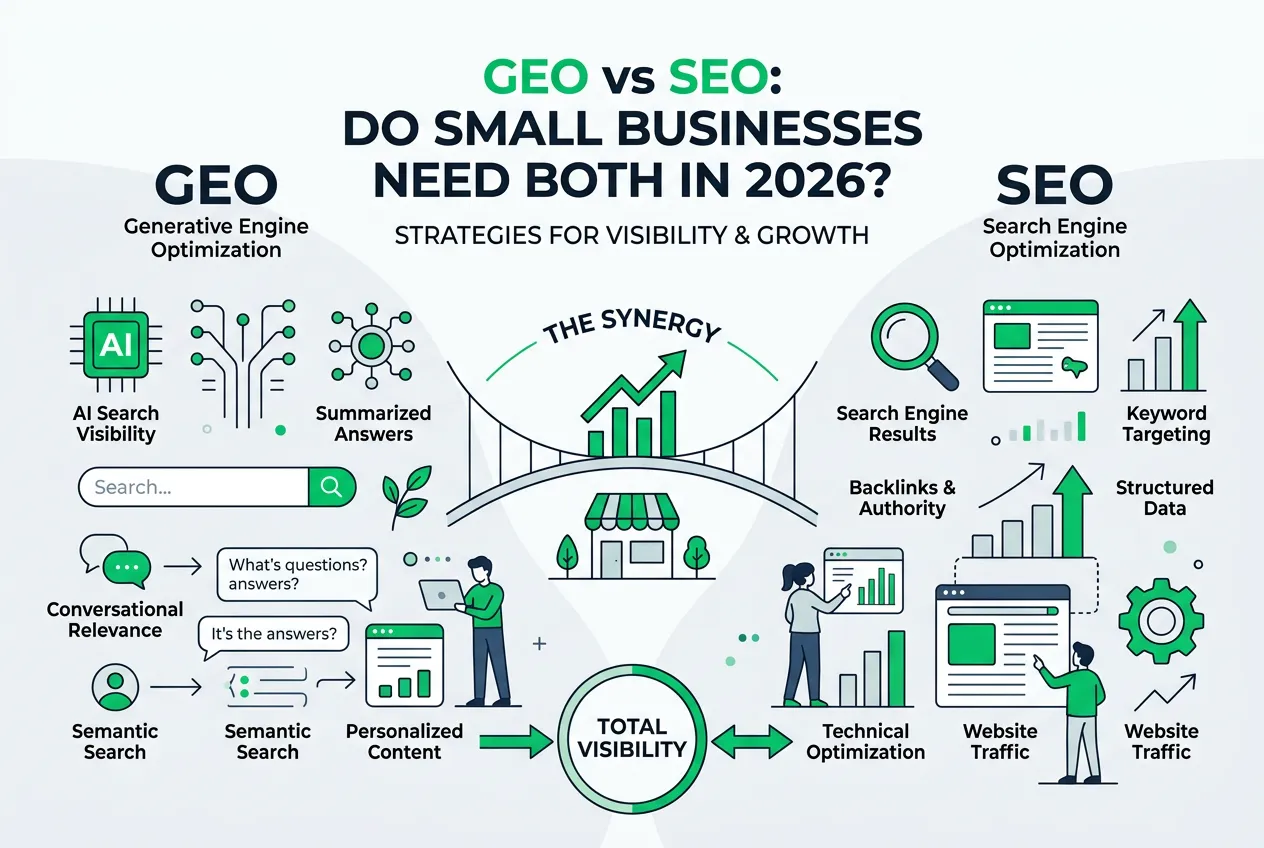
SEO didn’t disappear. It split into two jobs: ranking on traditional search and getting cited by AI engines.
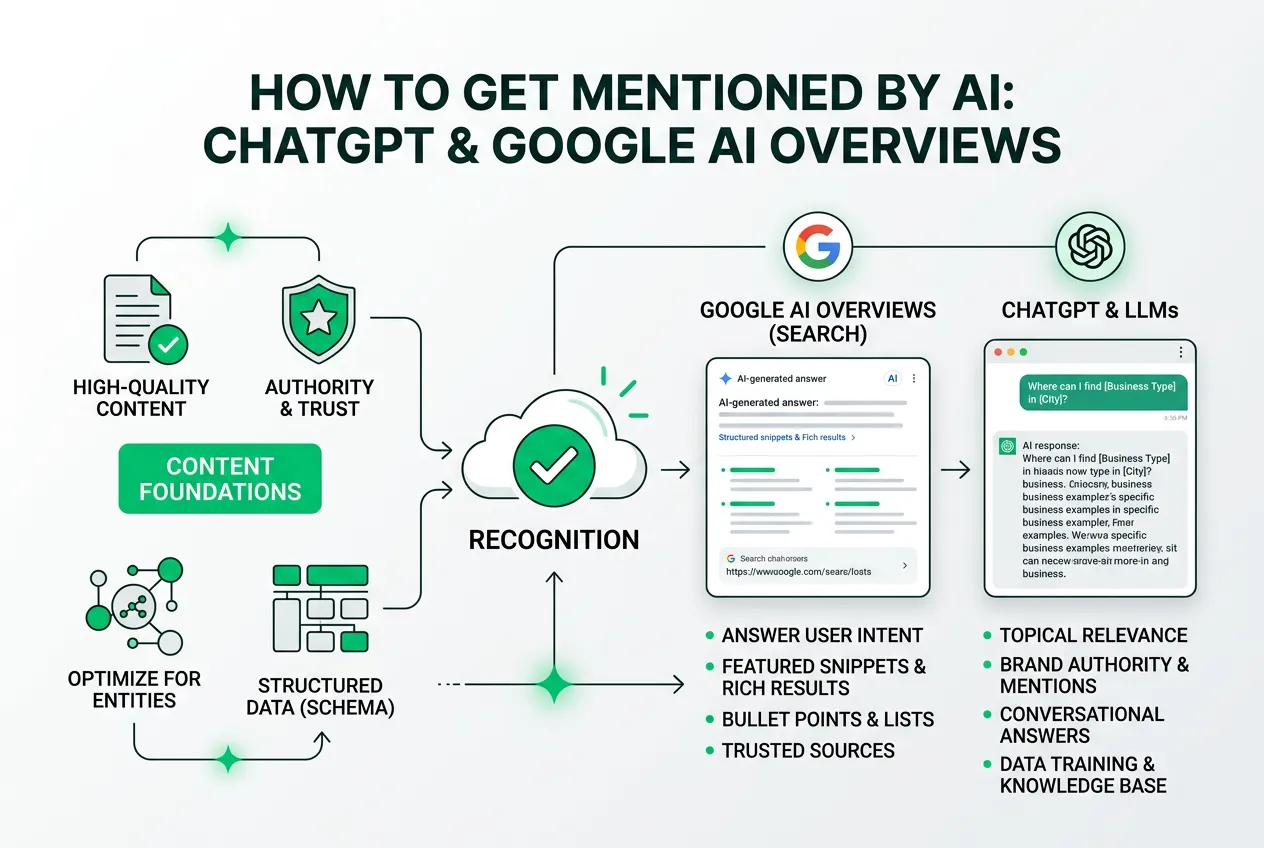
What is AEO and GEO, and why should SMBs care?
AEO and GEO are the new layers of SEO built for AI-powered search.
Let’s translate the jargon into plain business terms.
- AEO (Answer Engine Optimization): Structuring your content so AI tools can extract and quote it directly. The payoff—your business shows up in AI answers.
- GEO (Generative Engine Optimization): Making your content easy for generative AI like ChatGPT to understand and recommend. The payoff—you become the answer when a customer asks an AI for a recommendation.
Here’s the practical difference. Old SEO got you to position one on Google. AEO and GEO get you quoted inside the AI answer a customer reads before they ever scroll to a results page.
For SMBs, this is an opening. Big brands move slowly. A small business that optimizes for AI search now can leapfrog competitors who are still arguing about whether SEO is dead.
Does traditional SEO still work in 2026?
Yes. The fundamentals still drive results—they just have new neighbors.
Google still sends massive traffic. Most AI tools, including Google’s AI Overviews, pull their answers from pages that already rank well. Strong traditional SEO feeds your AI visibility. The two work together.
What still matters in 2026:
- Quality content that answers real questions. This was always the point. AI just made it non-negotiable.
- Site speed and mobile experience. A slow site loses customers and rankings. Google’s Core Web Vitals measure how fast and stable your pages feel—and they still affect where you land.
- Clear site structure. Both Google and AI engines reward content that’s organized and easy to parse.
- Backlinks and brand authority. Trusted sites get cited. By Google and by AI.
The foundation didn’t change. You just need to build on top of it.
A real example: how one SMB won AI visibility
Consider a local accounting firm with a generic website. It ranked on page two for “small business accountant” and got almost no organic leads.
The fix wasn’t a redesign. It was a content overhaul built for AI search.
The firm did three things:
- Rewrote service pages to answer specific client questions, like “How much does a small business tax return cost?”
- Added a clear FAQ section with direct, self-contained answers.
- Used consistent naming throughout—always “small business accounting services,” never a mix of vague terms.
Within a few months, the firm’s pages started appearing in AI Overviews and got cited by ChatGPT when users asked for local accounting help. Organic inquiries climbed. No ad spend required.
The lesson is simple. Clear, question-led content wins on both Google and AI.
Your 2026 SEO action checklist
Start here. These steps work today, no big budget needed.
- Answer questions directly. Add a short, clear answer near the top of every key page.
- Build an FAQ section on your main service pages using real customer questions.
- Use conversational headings that match how people ask AI tools—full questions, not fragments.
- Name things consistently. Pick one term for your core service and use it everywhere.
- Add structured data (schema markup). This helps AI and search engines understand your content. Your developer or a plugin can handle it.
- Fix your site speed. Compress images, cut clutter, and test your pages on mobile.
- Keep publishing useful content. Target the specific questions your customers actually ask.
Pick three. Do them this week.
SEO isn’t dead—but ignoring AI search will hurt you
The businesses losing ground in 2026 aren’t the ones doing SEO. They’re the ones who stopped, convinced AI made it pointless.
Search is alive. The channels just multiplied. Google, ChatGPT, Perplexity, AI Overviews—your customers are searching across all of them. The question is whether they find you or your competitor.
You don’t need to chase every trend. You need a strategy built for how people search now.
Want to know where you stand? Get a free SEO audit and see exactly how your business shows up across Google and AI search.
Frequently Asked Questions
Share this article
Follow us
A quick overview of the topics covered in this article.
Latest articles
June 24, 2026
June 21, 2026

April 20, 2026
Latest Articles & Insights
Actionable insights on SEO, web design, and digital growth—focused on what works to drive traffic, leads, and real results.
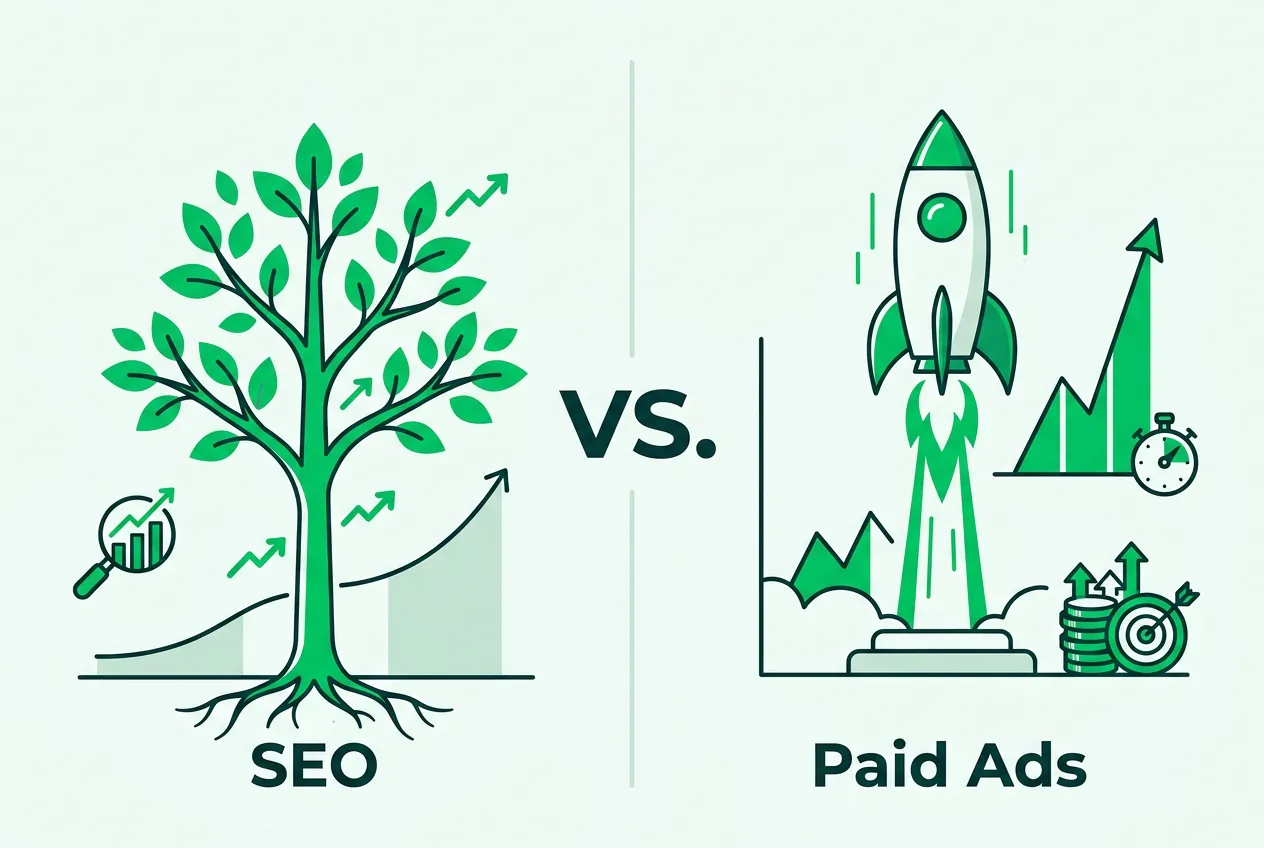
SEO vs. Paid Ads: Which Grows a Small Business Faster?
June 29, 2026
6 min
Quick answer: Paid ads generate traffic within hours of launch. SEO takes three to six months ...
SEO for CCTV Companies in Saudi Arabia
June 24, 2026
6 min
Quick answer: SEO for CCTV companies in Saudi Arabia means optimizing your website to rank for ...
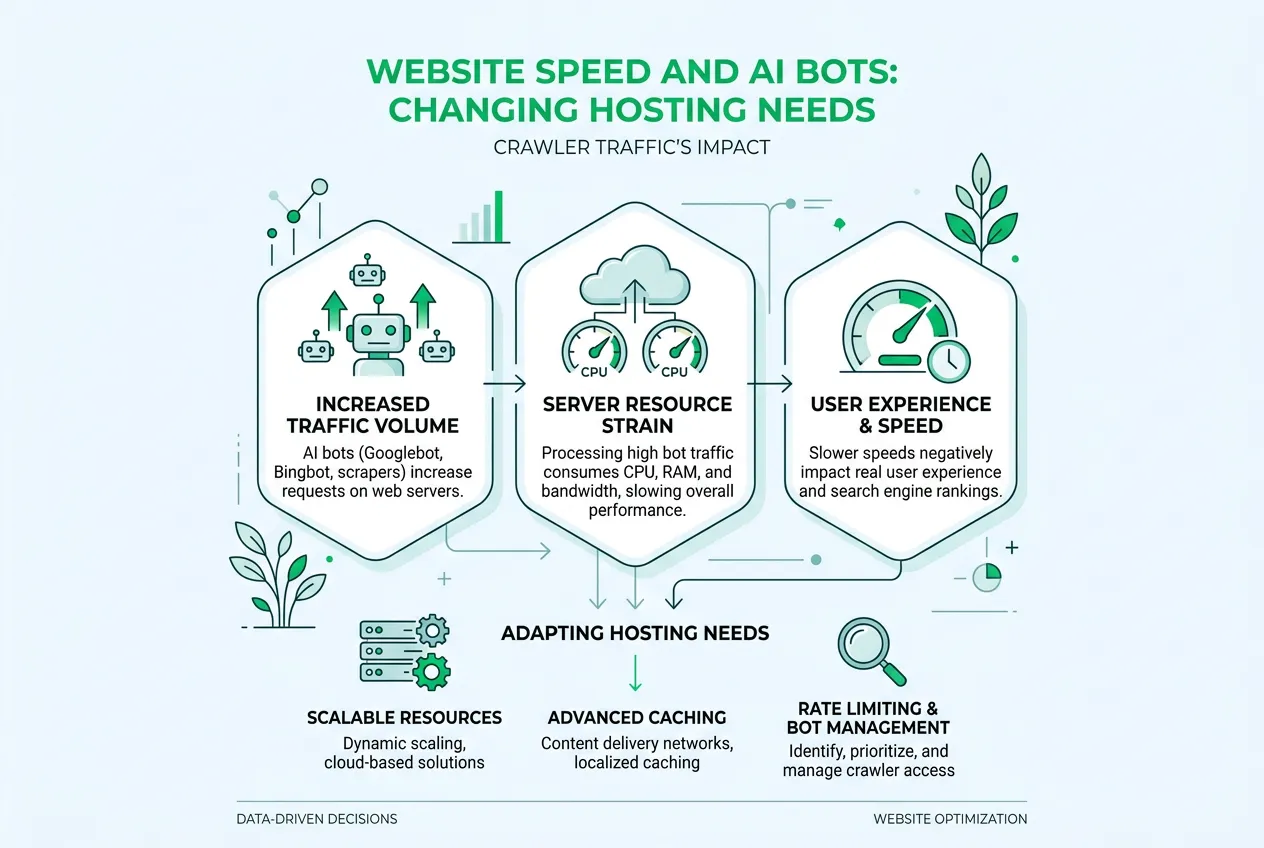
Website speed and AI bots: how crawler traffic is changing hosting needs
June 22, 2026
6 min
Quick answer: AI crawlers from companies like OpenAI, Anthropic, and Google now make up a large ...
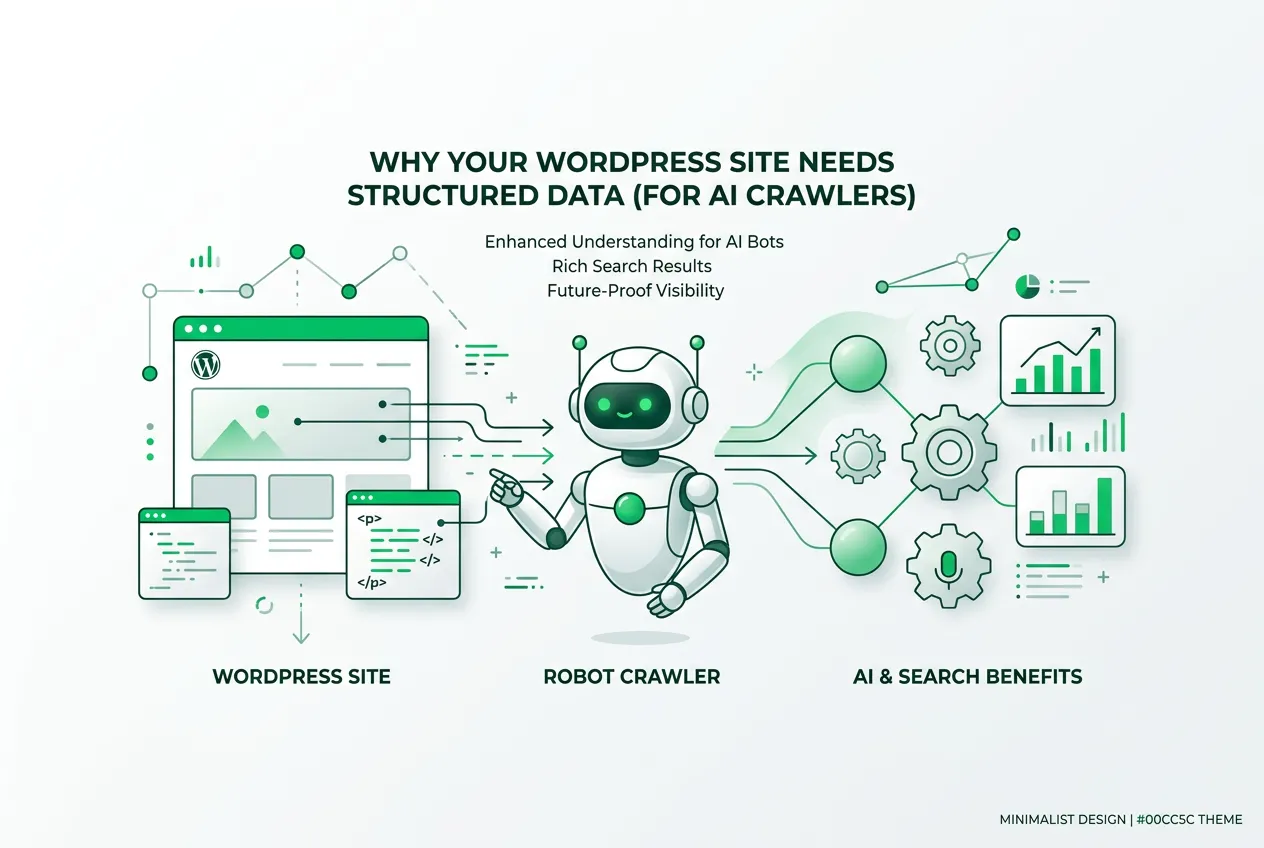
Why your WordPress site needs structured data more than ever (for AI crawlers)
June 21, 2026
5 min
Quick answer: Structured data is code that tells AI crawlers exactly what your content means. Without ...